
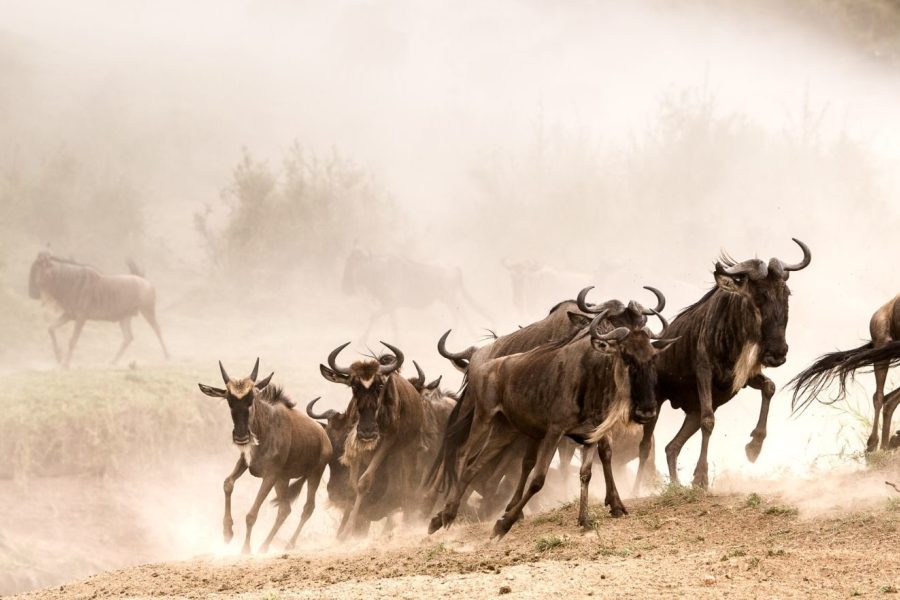
The Great Wildebeest Migration in Maasai Mara National Reserve: When to Visit & What to Expect
The Great Wildebeest Migration is one of the most incredible natural events to see in the world. Every year, millions of wildebeest travel across the East African plains in search of fresh grass and water. It is an epic, dramatic, wild, and memorable migration.
The centre of this experience for most people is the Maasai Mara National Reserve, where you can see the grasslands in the Maasai Mara come alive and experience the migration at its most thrilling and exciting time. For many of the guests who visit Kenya on safari, witnessing this natural phenomenon is one of the most memorable experiences they will have during their time in Kenya.
When planning your visit to the Maasai Mara to see the migration, we hope this guide will give you some insight into when the best time is for you to visit, as well as what you should expect from this amazing migration.
What is the Great Wildebeest Migration?
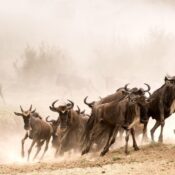
Each year, more than 1.5 million wildebeest, along with hundreds of thousands of zebras and gazelles, participate in the Great Wildebeest Migration.
These animals move through Tanzania’s Serengeti National Park and Kenya’s Maasai Mara National Reserve in a continuous loop as they search for new places to graze and drink from by following the seasonal rains.
Although this migration occurs throughout the entire year, it reaches its crescendo during the herds’ crossings of the Maasai Mara.
Why the Maasai Mara is So Special
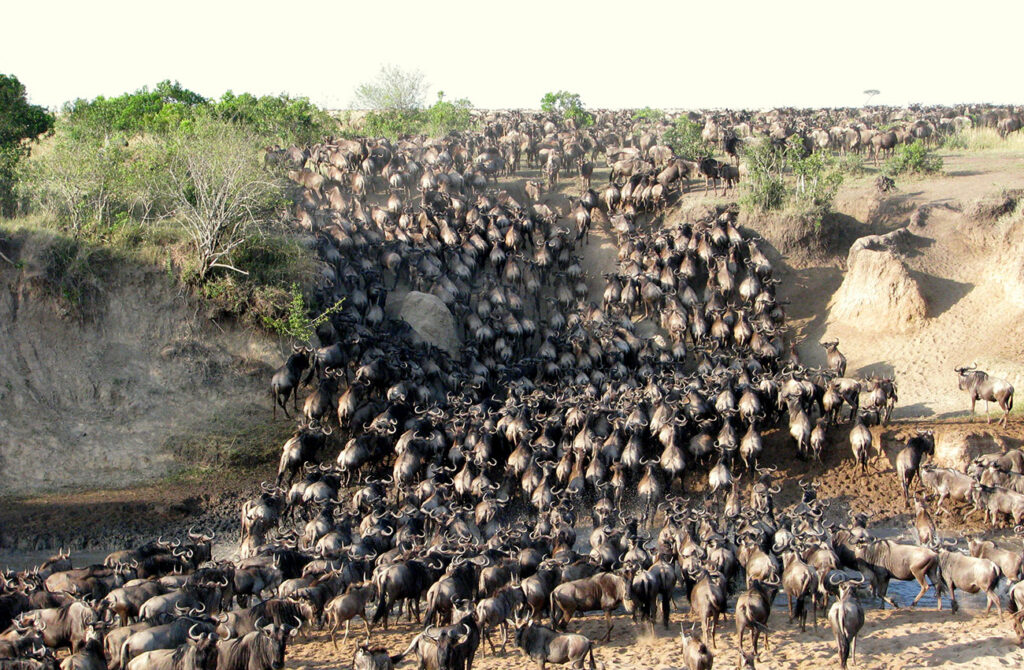
You can enjoy a spectacular view of the migration in the Maasai Mara. The Maasai Mara has many large open plains that are a great place to see the extremely large herds of animals that migrate during this time. In addition to the plains, one of the best places to witness the migration is at the Mara River. As thousands of wildebeest begin their crossing through crocodile-infested waters at the Mara River, they are waiting in the water for a chance to cross as well.
When you combine the open plains, large numbers of predators, and the river crossings, you have the most spectacular migration experience anywhere in the world.
When to Visit Maasai Mara for the Migration
The timing of your safari is crucial!
- July – The First Arrivals
The first herds start to arrive at the Maasai Mara from Tanzania in July – signalling the start of migration season in Kenya.
Increased wildlife activity is seen with the predators following the herds.
- August – Peak of River Crossings
August is one of the best times for safaris, due to the congregation of numerous wildebeest at the Mara River.
August is also the month of the most dramatic river crossings – with thousands of wildebeest jumping into the river from land, into fast-flowing water, and being swamped by crocodiles.
This is one of the most photographed and exciting draws of any safari attraction.
- September – Continued Movement
Herds continue their migration across the Mara plains in September.
Predator activity is at an all-time high this month and thus makes for excellent wildlife viewing opportunities. September is a great month to visit the Mara if you’d like to witness the migration with slightly fewer visitors than in August.
- October – Start Movement to the South
By October, some herds have started to return south and will move towards Tanzania.
While river crossings may still be frequent this month, they are becoming less frequent each day. Wildlife viewing remains terrific at this time as well.
What to Expect During the Migration
Massive Herds
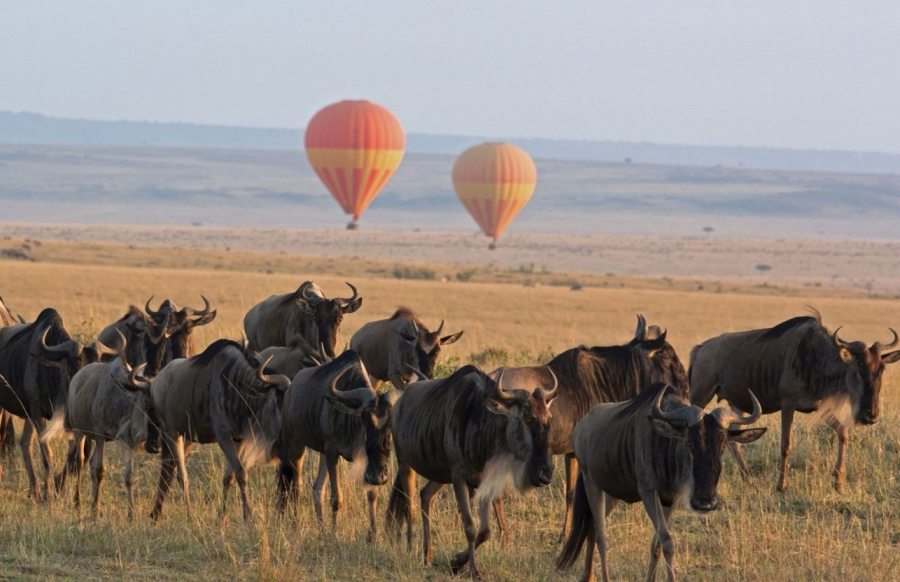
An astounding view is the massive size of the herds. The thousands of wildebeest are going in one unified direction, forming an extremely moving visual experience.
You might see a line of animals as it runs across the entire horizon.
River Crossings
The most exciting part of the migration occurs when wildebeest have to cross a river.
The wildebeests gather at the river, sometimes pausing for considerable time before leaping into the water. The moment they leap, the chaos results in drama as the wildebeests run into each other. Some individuals successfully cross the river, while others are eaten by crocodiles/are swept away by a powerful current.
Predatory Behavior of Animals
Predators track the migration closely to get food.
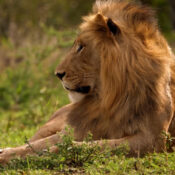
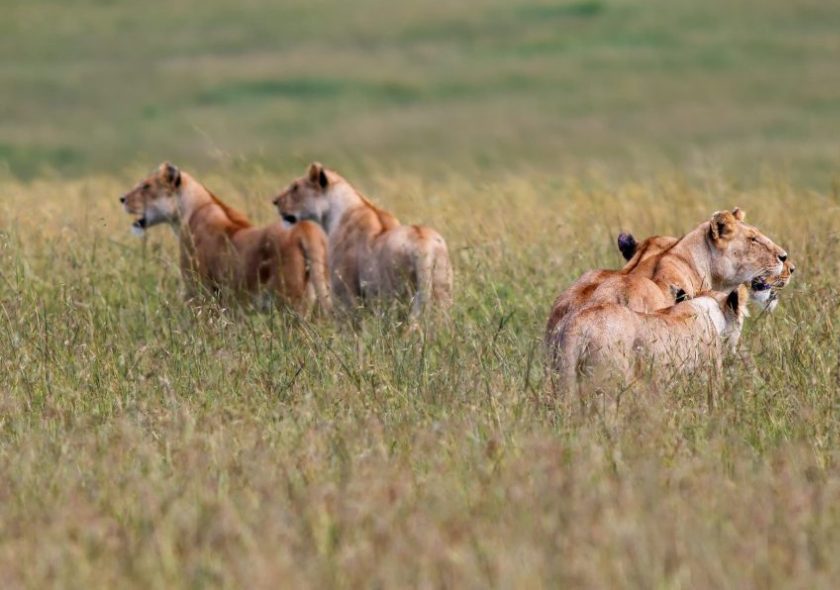
Here, lions, cheetahs, leopards, and hyenas can benefit by having many more animals over which to hunt, thus greatly increasing the chances of seeing a hunt in action.
Uninterrupted Action
As the migration is constantly moving north, the animals are in constant motion seeking food and water.
Thus, there’s always something different on each safari you do.
Where to Stay for the Best Experience
Maximise your experience during migration by selecting the right geographic area.
Several hotels and camps can be found on or near the Mara River, as well as on migration routes. Staying close to these areas will provide you with the best opportunities to observe river crossings or large herds.
You must book well in advance, particularly for peak months (e.g., August and September).
Tips for Planning Your Migration Safari
- Book Early
The migration time frame is very popular with lodges or camps at capacity very quickly, therefore making it crucial to book in advance.
- Be Flexible
Since the migration relies on rainfall, migration dates can change each year. Being flexible will increase your chances of seeing specific events.
- Choose Experienced Guides
Guides will help you locate wildlife. Guides who are experienced will know where to go and how to put vehicles in the proper places for optimal viewing.
- Plan to Spend Enough Time in the Mara
Spend at least 3-4 days in the Maasai Mara, allowing you better opportunities to see crossings and other wildlife.
What Else to Expect in Maasai Mara
The Maasai Mara is famous for producing spectacular wildlife viewing not only during the migration but also through its large variety of animals year-round.
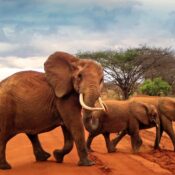
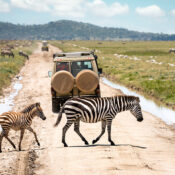
The reserve supports the “Big Five” (elephants, buffalo, lion, leopard, rhino), as well as a diverse wildlife population including giraffe, zebra, and cheetah, among others. The Maasai Mara has a rich bird life.
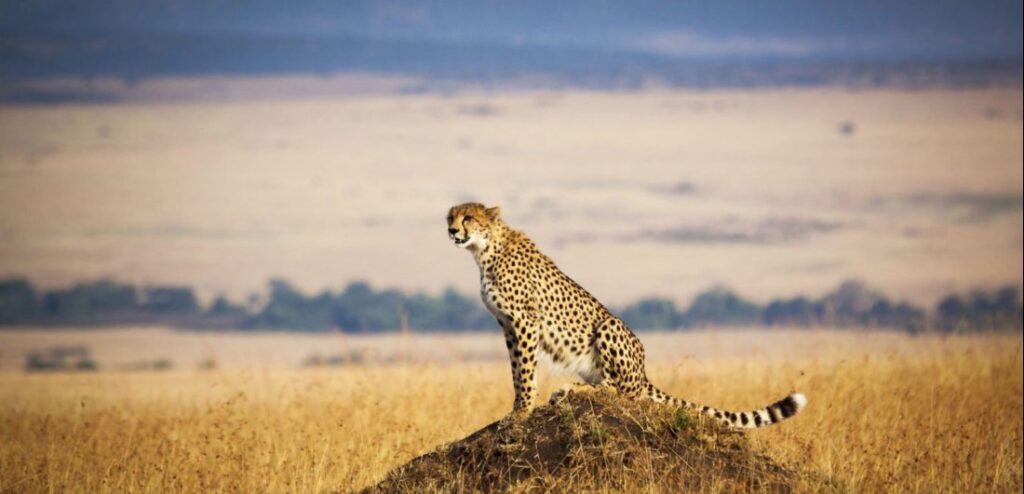
The landscapes of the Maasai Mara are stunning as well. There are vast grass plains, numerous acacia trees, and extraordinary sunsets.
Is the Migration Worth It?
The Great Migration of wildebeests has been referred to as one of the most spectacular natural displays.
It integrates large-scale animal migrations, predator-prey interactions, and breathtaking scenery to create an incredible event.
This event is the highlight of many people’s African Safari.
Final Thoughts
The Maasai Mara National Reserve provides a once-in-a-lifetime chance to witness the Great Migration of wildebeests.
Large numbers of wildebeests arrive in the Maasai Mara around July and cross rivers dramatically in August and September.
If you have planned and timed your safari correctly, you will be able to witness one of nature’s greatest spectacles during this period.
Visiting the Maasai Mara during the migration season will provide you with a unique experience that is unlike any other in Africa — wild, powerful, and unforgettable!


https://shorturl.fm/bYReT