Are you planning to visit the Maasai Mara National Reserve in 2026 or 2027? One key thing to know before booking your safari is the park entry fee.
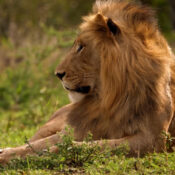
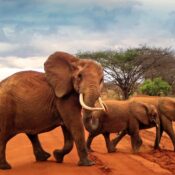
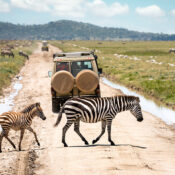
Maasai Mara is one of the best-known wildlife destinations in Kenya, attracting visitors from all over the world to see its unique wildlife, open savannah plains, and the migration of wildebeest.
The charges for accessing the reserve are different, based on the visitor category, season of travel, and length of the stay.
For the year 2026, Maasai Mara introduced a new seasonal fee structure that saw the entry fee payable by an adult non-resident rise from USD 100 to USD 200 starting in the month of July. The same fee structure has also been announced for 2027, although it is important to confirm applicable rates with either the relevant reserve authority or safari operator before traveling, because the fees may change.
This article helps you understand the Maasai Mara park fees applicable in 2026/2027, what visitors pay, how the 12-hour ticketing works, charges for children, resident rates, vehicle fees, and any other relevant costs to consider while budgeting for your safari.
Who Manages the Maasai Mara National Reserve?
A key piece of information for tourists visiting the Maasai Mara National Reserve is that this national park is managed by the Narok County Government, not the Kenya Wildlife Service.
It can be noted that the tickets and entry fees into this national reserve differ from the entry fees and tickets for other national parks managed by the Kenya Wildlife Service.
Another point to remember is that the Maasai Mara should not be confused with the private conservancies in the vicinity or the Mara Triangle, as they have their own pricing structure.
Therefore, it is important to understand the specific area of the Maasai Mara National Reserve you will visit in order to calculate your safari budget.
Maasai Mara Entry Fees 2026/2027

The currently published fee structure divides the year into two main periods:
- 1 January – 30 June: Lower/green-season rate
- 1 July – 31 December: High-season rate
For non-resident adults, the current rate is:
| Visitor Category | 1 Jan – 30 Jun | 1 Jul – 31 Dec |
| Non-resident adult | USD 100 | USD 200 |
| Non-resident child 9–17 years | USD 50 | USD 50 |
| Child 8 years and below | Free | Free |
| Organized-group student | USD 50 | USD 50 |
According to the published timetable for 2026, the adult seasonal charging structure still remains the same at USD 100/200, while the recently released schedule for the year 2026/2027 indicates that these rates will last through until 2027 unless there’s an alteration in the schedule by the Narok County authorities.
This means that an international visitor coming during the months of July, August, September, or any other month till December will have to plan for USD 200 per person per day or per ticket period for the Reserve as per the current schedule.
Kenyan Citizen Park Fees
Kenyan citizens pay considerably lower entry fees than international visitors.
The current published rates are:
| Kenyan Citizen Category | 1 Jan – 30 Jun | 1 Jul – 31 Dec |
| Adult | KES 1,500 | KES 3,000 |
| Child 9–17 years | KES 300 | KES 500 |
| Child 8 years and below | Free | Free |
| Student/eligible organized group | KES 300 | KES 500 |
It is a requirement in this game reserve that all Kenyan citizens possess a valid identification document. The identification applicable to the person depends on the nationality of the person, and not where they happen to be visiting from.
To illustrate, a Kenyan citizen who is living outside the country at that time will need to prove his or her citizenship in Kenya in order to get the same rate.

East African Resident Fees
The Maasai Mara also provides a separate rate for qualifying East African residents.
The current East African resident category covers residents of:
- Kenya
- Uganda
- Tanzania
- Rwanda
- Burundi
- The currently published rates are:
| East African Resident Category | 1 Jan – 30 Jun | 1 Jul – 31 Dec |
| Adult | KES 2,500 | KES 5,000 |
| Child 9–17 years | KES 1,000 | KES 2,000 |
| Child 8 years and below | Free | Free |
It might be mandatory to present proof of residence. Therefore, when travelling, visitors should always keep their residence documentation and passport with them.
You should understand that you cannot assume that having an East African passport allows you to use the resident rates. The applicable category depends on current rules and required documentation.
Who Is Considered a Non-Resident?
Non-residents are typically understood as foreign tourists who are not eligible for rates reserved for citizens of Kenya or residents of East Africa.
The applicable rates for adult non-residents from January to June are:
100 USD
and
200 USD
for July to December.
The fee for children aged 9-17 is 50 USD, and for those under 8 years, entrance to the park is free, according to the guide.
Before booking a safari, see which category applies to you.
How Does the 12-Hour Maasai Mara Ticket Work?
Safari travelers should be aware that the entry system at Maasai Mara is not the usual 24-hour ticket. Instead, the National Park has a ticket system that covers twelve hours of the day. According to what has been provided, the ticket can be valid from about 6 a.m. until 6 p.m. in general.
This is especially important for travellers who have accommodation outside the park. For instance, if one entered the park in the morning to have some game, he would not be able to go in another day without paying again!
Does Staying Inside the Reserve Change the Entry Fee?
Right now, the fees are not being determined by the location of the accommodation within the area of the reserve or otherwise.
According to recent information available, the reserve’s entrance fees are determined by the category of the guest rather than on the basis of a general amount charged for different people who stay in lodges or camps in different areas.
Nevertheless, the location of accommodation is still important for your plans for game drives and the frequency of visits to the reserve.
That is why one should talk about the location of accommodation with the operator before arranging a safari.
What About Camps and Lodges Outside the Reserve?
Accommodation can be found in a number of places outside the Maasai Mara National Park.
This may allow for more options and price ranges.
Nevertheless, if you choose a place to stay outside the park, then you need to arrange your schedule to include time for entering and exiting the park.
This is especially important because of the 12-hour ticket system!
Before making a reservation, ask your safari provider the following questions:
- Where is the property situated?
- Which gate will you be using?
- How far is the property from the gates?
- What time will the game drives start?
- How long will it take to reach the wildlife areas?
- Is park entry included in the package?
These will save you from incurring extra costs or wasting your time on the safari.
Why July to December Is More Expensive
The high adult non-resident entry fee applies during the period from July to December.
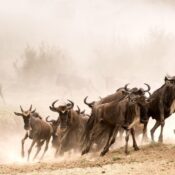
This period coincides with one of the busiest safari travel periods in Kenya, especially during the months of movement of the wildebeest to the Maasai Mara.
July, August, September, and October are high-demand months.
It is also good to keep in mind that the migration is a natural phenomenon, and its timing and location depend on environmental factors; thus cannot be guaranteed.
The high entry fee does not mean you will see such phenomena as river crossing or other wildlife experiences.
You pay for the reserve entrance fee.
What About January to June?
The non-resident adult charge for the January to June period is USD 100 per day/ticket period.
It makes the first six months of the year an enticing time for those considering a cheaper safari.
People should also be aware that just because the charges are lower, it does not mean that the safari experience includes lower-quality wildlife experiences.
Virtually every time of year provides differing scenery, weather conditions, animal behaviour, and number of visitors.
The green seasons are especially suitable for photographers and tourists who appreciate picturesque scenery, lack of tourists, and greenery.
Are Conservancy Fees Included in the Park Fee?
No, it is crucial to understand the difference.
The Maasai Mara ecosystem is made up of the main national reserve and numerous private and community initiatives.
Conservancy fees must be distinguished from reserve entry fees.
If your accommodation is in a private conservancy, there might be different conservancy payments applicable depending on the terms of the specific property and the conservancy.
Hence, when comparing your safari packages, ask if the quote includes:
- Entry into the Maasai Mara National Reserve
- Conservancy fees
- Vehicle fees
- Accommodation
- Food
- Game drives
- Any other activities
It should be understood that by paying the reserve entry fees, one does not automatically gain access to all conservancies of the Mara ecosystem.

What About the Mara Triangle?
The Mara Triangle is one of the key regions in the larger Mara ecosystem and has its own structure as far as resource allocation and administration go.
The most recently published figures around 2026 indicate an identical seasonal structure for the number of tourists coming from the rest of the world, namely, there is a fee of USD 100 from January to June and of USD 200 from July to December in case the tourist is an adult.
When going on safari to the Mara Triangle, make sure to confirm with your tour operator what exactly the required fees are for the destination.
This is especially important in case your journey plan involves traveling through different regions of this ecosystem.
Are Park Fees Included in Safari Packages?
A lot of times, yes.
Quite a number of safari tour companies incorporate national park entrance fees into the overall safari cost indicated in the offered package.
However, one should not completely depend on this claim.
When you receive a safari quote, be on the lookout for clear evidence of whether park fees are included.
For example, a quote may state:
Package price covers:
- Accommodation
- Full-board meals
- Safari vehicle
- Professional driver-guide
- Park entry fees
- Game drives
- Airport transfers
If park fees are not specifically declared, do ask the safari company beforehand.
Final Thoughts
It is important to understand the Maasai Mara National Reserve park fees for 2026/2027 because this is key to planning your safari trip to Kenya.
According to the latest schedule, non-resident adults prepay USD 100 from 1 January to 30 June and USD 200 from 1 July to 31 December. Children aged between 9 and 17 years pay USD 50, while children below age 8 are currently marked as free. There are different fee rates in Kenyan shillings for Kenyan citizens and eligible East African residents.
The reserve also provides a 12-hour daytime entry permit. Therefore, it is very important to know about the way in which entry days are issued when you plan your game drives and stay.
Above all, keep in mind that entry fees are only a part of your safari expenses. The total cost will also include accommodation, transport, guides, food, conservancy fees, and activities.
If you plan on taking a safari in 2027, you can rely on the published figures in your planning. Make sure, however, that you verify directly with the authorities using the actual dates of your trip.
Once you know the fees and the itinerary is appropriately created, you can think about what matters most at the moment – getting into Mara, going