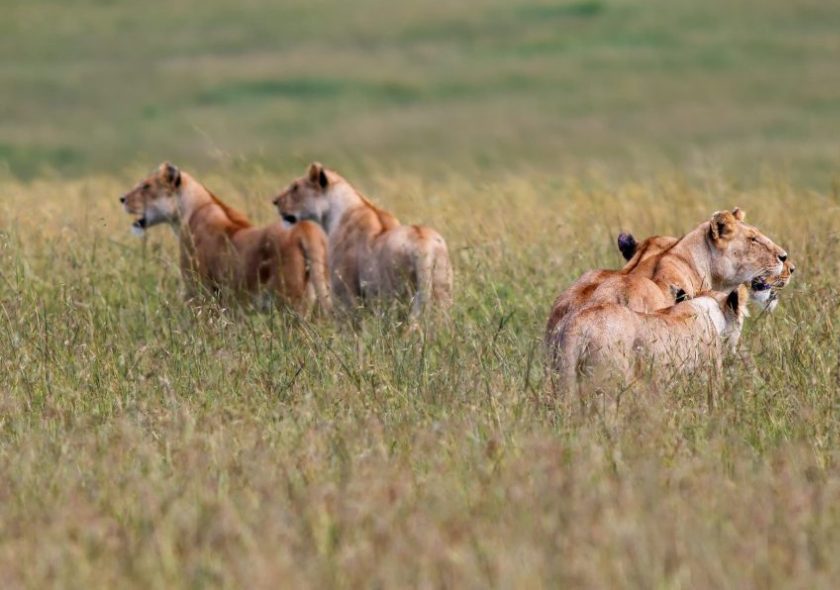
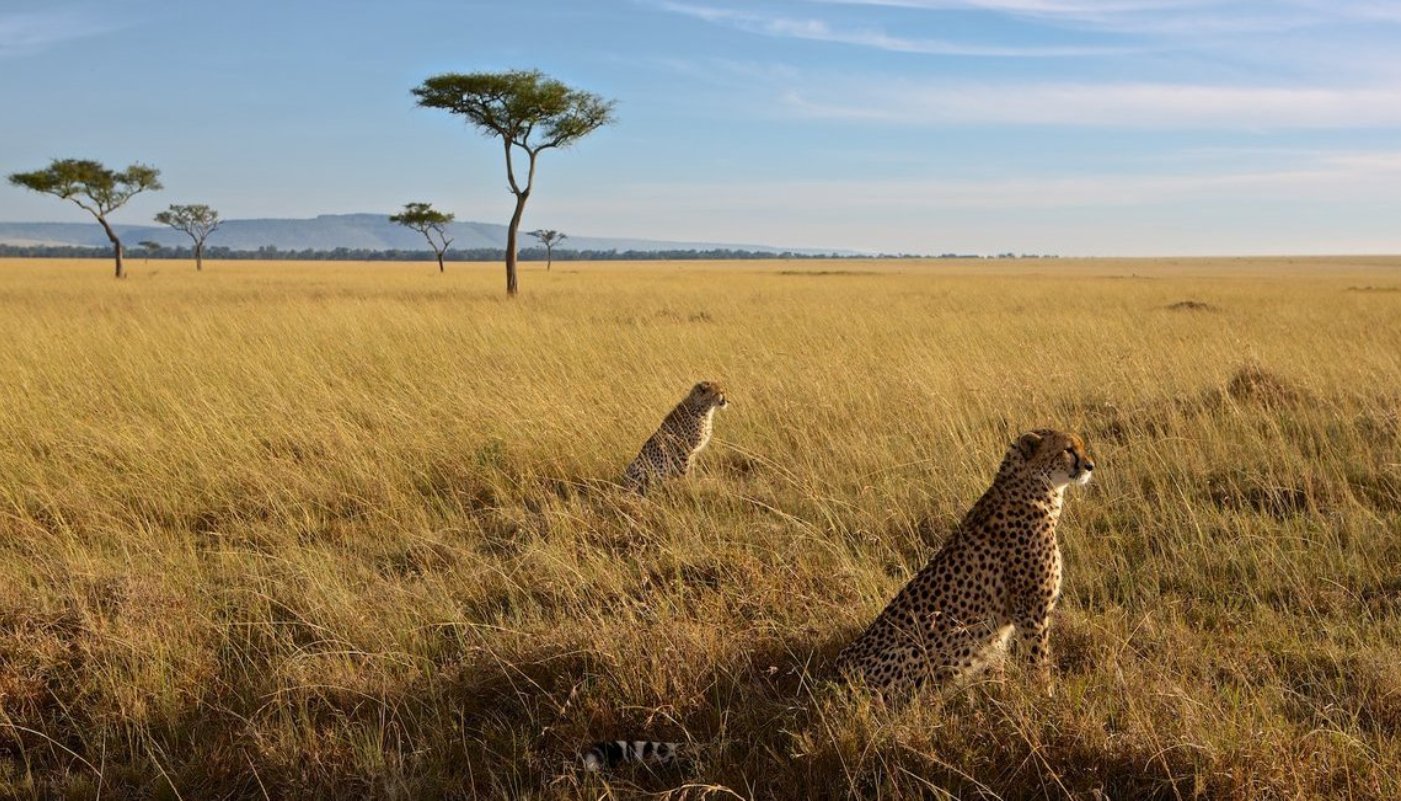
One of the world’s premier safari destinations, Maasai Mara National Reserve offers numerous opportunities year-round, thanks to its abundant wildlife, wide-open plains, and the Great Migration of wildebeest. The time of year you spend at the Maasai Mara will shape the overall experience of your safari. Each month offers a unique aspect of the reserve; some months are perfect for viewing wildlife, while others offer less congestion, greener scenery, and the best conditions for photography. This complete month-by-month safari guide will assist you with choosing when to visit the Maasai Mara based on your own desired travel objectives.
Understanding Seasons in Maasai Mara
Both dry/green seasons have excellent safari experiences to provide visitors to the country, depending on what you seek.
January – Excellent Wildlife Viewing
The Maasai Mara is an excellent place to go during the month of January. The weather is ideal, with warm, dry conditions, and the grass has shortened, which makes it easier to see animals.
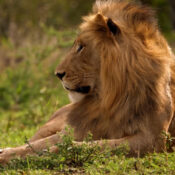
Wildlife remains active, with predators including lions and cheetahs frequently seen hunting; there are great opportunities for photography too, as the skies are usually clear.
Also, there are significantly fewer tourists than during the peak months of migration.
February – Peak Predator Activity
February is the driest month of the year and also offers great opportunities to view wild animals. It is one of the months when you are most likely to witness predator activity.
Many animals, particularly the antelope and their young, are either in full bloom or about to give birth. Predators are in the area and active, leading to many thrilling safari experiences.
February is also a good month for travelers seeking to have an exciting, dramatic wildlife experience without the crowds.
March – Start of the Green Season
The onset of the wet season in March is a dramatic change from how everything previously looked. The short rains start, and instantly the environment will be completely transformed into a bright green and flourishing paradise.
Wildlife remains, but would tend toward becoming dispersed as water becomes more accessible throughout the land.
For photographers, this is a great opportunity to photograph stunning scenery and to capture the dramatic clouds and skies.
April – Low Season with Beautiful Landscapes
April can be the wettest month in the Maasai Mara, with heavy rains making some roads impassable. As a result of this, visitor numbers are low, and it’s a very quiet and peaceful time to visit.
The scenery is at its greenest state, and there will be many birds. If you enjoy fewer people and can tolerate occasional rain, then April can be a very good time to visit.
May – Calm and Less Crowded
May remains in the rainy season, and could start to see a decrease in precipitation at the end of the month.
The Maasai Mara is less full at this time of year, which often means that lodges offer better deals.
There is still plenty of wildlife around; however, there may be fewer opportunities for sightings as the vegetation is thicker than normal.
June – Beginning of the Dry Season
The month of June is marked as the end of the rainy season, and the landscape starts to dry out.
Wildlife tends to be easier to find, as it typically congregates around the various water holes available in the area.
Visitor numbers will gradually continue to increase with some tourists arriving at the reserve; however, visitor levels are still significantly less than during peak migration periods.
July – Start of the Great Migration
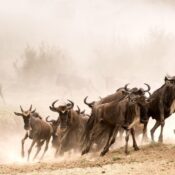
One of the most thrilling months to see the Maasai Mara is in July, when the start of the Great Migration of Wildebeests begins to reach the reserve as they migrate north from the Serengeti in Tanzania.
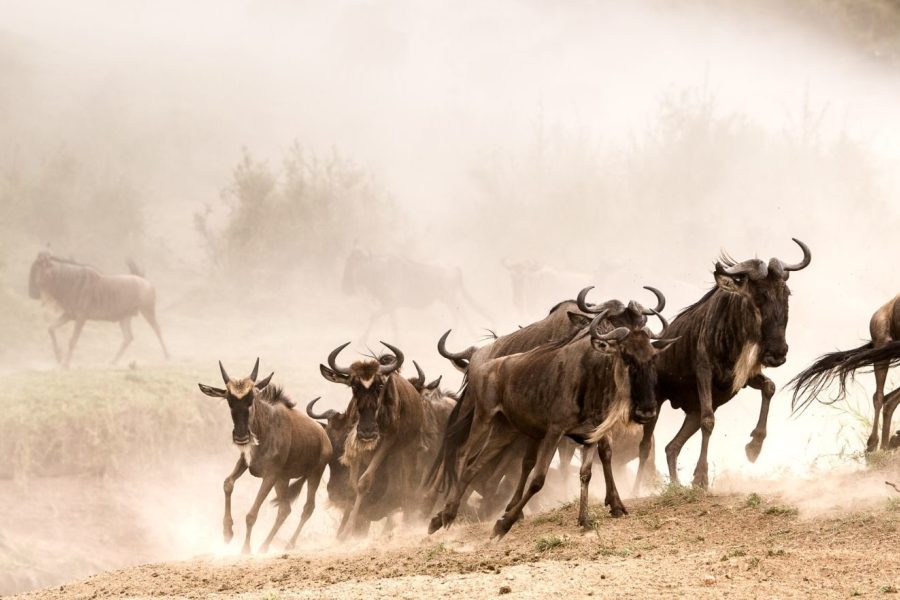
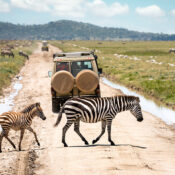
Large herds of wildebeest, along with zebras, begin arriving at the reserve looking for fresh grazing land. This is also when river crossings begin, giving visitors an exciting opportunity to watch animals cross rivers filled with crocodiles; this will be one of the most dramatic wildlife experiences you will see on Earth.
August – Peak Migration Season
August is usually considered to be among the busiest and largest months in the Maasai Mara.
The migration is reaching its peak, and animals are distributed across the entire plains.
There are a lot of river crossings and a high predator presence.
This is when a visitor can expect to see the migration at its highest point.
While it is very close to being too late to make a reservation, it is wise to book early.
September – Continued Migration Action
Like August, September has many of the same experiences with a little less busyness.
Wildlife viewing continues to be amazing and, as always, the migration is still taking place.
The dryness of the weather allows you to get out and see the reserve much more easily, and you can also take game drives.
September is perfect for those who want to see the migration but with more room to do so!
October – End of Migration
In the month of October, the final part of the migration occurs. Some herds are beginning their return journey to the Serengeti.
The opportunities to see wildlife continue to be very good because predators are actively preying on animals following the migration.
At some point during this month, the first rainfalls could occur, which would indicate the change to the green season.
November – Short Rains and Fewer Tourists
The month of November brings short rains, which do not typically interfere with safari.
The scenery becomes greener, and migratory birds fly into the area.
Because visitors are much fewer during this period, it is also a great opportunity to visit the area.
December – Festive Season Safari
With the thousands of people traveling for the holidays in December, it’s a peak month for tourism. The temperature is mild by most standards, and there can be brief showers.
Wildlife viewing is still good at this time of year, while the lush green scenery adds to the beauty of the landscape.
This is also an excellent month to take a holiday safari trip, and also be able to celebrate/experience life events or holiday activities with family or friends.
Best Time for Specific Experiences:

Best Time for the Great Migration
- July to October
Best Time for Predator Sightings
- January to February
Best Time for Fewer Crowds
- March to May
Best Time for Birdwatching
- November to April
Best Time for Photography
- January, February, and green season months
When Should You Visit?
Your travel goals will dictate which time of year is best for you to travel to the Maasai Mara.
If you’re looking to see the Great Migration, you should plan to visit the Maasai Mara sometime between July and October. For visitors looking to travel during a less busy time of the year with lower costs, you may want to plan your travel during the green season.
For great wildlife viewing with less crowded conditions, January and February would be the ideal months for you to travel to the Maasai Mara.

Final Thoughts
Throughout the entire calendar year, the Maasai Mara National Reserve has amazing safari opportunities based on the safari experiences you will encounter each month — river crossings to scenic landscapes.
While the dry season is great for animals to view, the rainy season offers a tranquil and beautiful scenery.
To find the ideal time for your travel style to help you create memorable safari experiences, create a plan, and then find your way to Africa’s most iconic travel destination or wherever in Africa you want, depending on when you decide to take your trip.